In the dense, competitive landscape of Singapore property, few debates are as hotly contested, or as emotionally charged, as the showdown between Freehold and 99-year Leasehold.
The question isn’t merely one of law; it’s one of legacy, risk, and immediate financial outlay. Do you pay the premium for the promise of ‘forever,’ or do you embrace the finite nature of 99 years for superior location and potential immediate returns?
We dissect this enduring Singaporean dichotomy using two classic examples currently defining their respective markets: the enduring exclusivity of Dunearn Road Condo (Freehold) and the high-stakes potential of Thomson View (99-year Leasehold).
Table of Contents
The Allure of the Absolute: The Freehold Premium
Freehold property represents a deep-seated aspiration in Asian culture: the ownership of land in perpetuity. It is the closest Singapore gets to owning a piece of the earth without an expiry date.
Case Study: Dunearn Road Condo
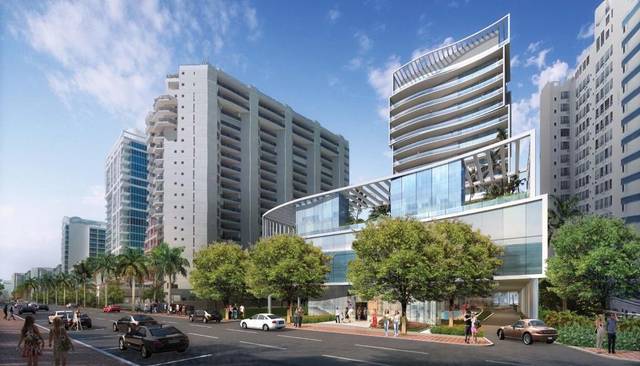
Properties along Dunearn Road, particularly in the prestigious District 11, embody the Freehold ideal. They are often less dense, positioned on spacious plots, and command a significant price premium—the “Dunearn Road Premium.”
Why Freehold Commands the Price:
- The Legacy Factor: For owner-occupiers, Freehold property is a legacy asset, one that can be passed down through generations without the constant worry of lease decay. This emotional value often justifies a price that is 15-25% higher than a comparable leasehold unit nearby.
- Capital Preservation: Historically, Freehold properties are viewed as better hedges against long-term inflation. While all property appreciates or depreciates based on market cycles, the land value of a Freehold asset tends to maintain its floor price more resiliently over decades.
- The En Bloc Leverage: In a collective sale scenario (en bloc), Freehold status offers owners slightly more negotiating power and, crucially, removes the complexity of having to top-up the remaining lease with the Singapore Land Authority (SLA)—a complex and costly step often required for aging leasehold developments.
However, the ‘forever’ promise of Freehold in Singapore remains theoretical. Under the Land Acquisition Act, the government retains the right to acquire any land for public benefit, regardless of tenure. Freehold means perpetuity, but not immunity.
The Embrace of the Finite: The Leasehold Strategy
The 99-year leasehold model is the bedrock of Singapore’s urban planning. It allows the government to recycle land and strategically control the density and usage of prime real estate. For the buyer, it is a strategic trade-off: surrender perpetual ownership for immediate financial benefits and often superior location.
Case Study: Thomson View
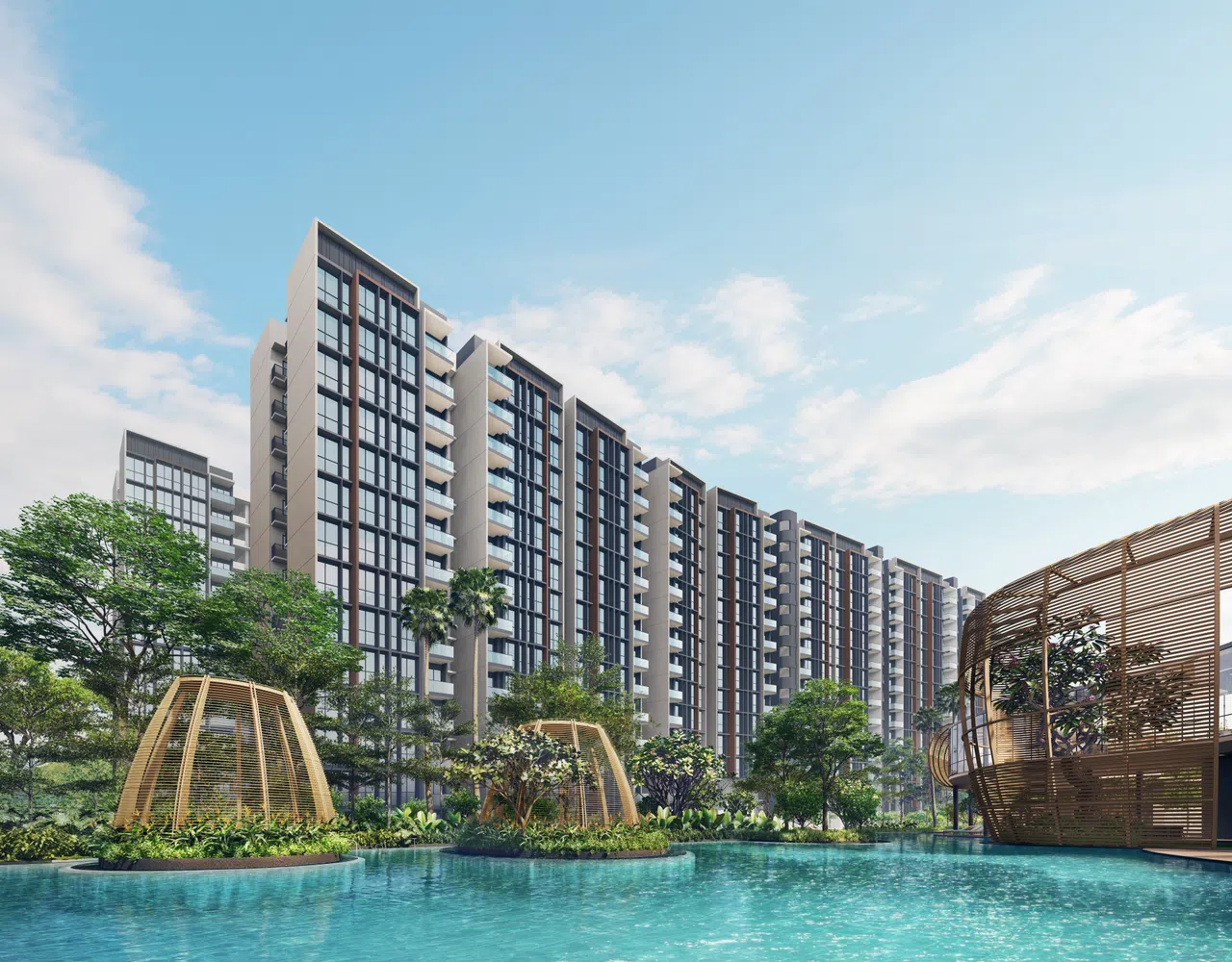
Former Thomson View enbloc, an aging but well-located development near Marymount, is a textbook example of the leasehold play. It offers large unit sizes and access to mature amenities, benefits that would be unaffordable if the property were Freehold.
The Leasehold Calculation:
- Affordability and Location Edge: Leasehold units are significantly more affordable upfront. This lower entry cost allows buyers to access prime locations like Thomson (near the new MRT lines) that would otherwise be reserved for the ultra-wealthy.
- The Lease Decay Clock: This is the most crucial consideration. As the lease falls below the 70-year mark, and especially when it dips below 60 years, financing becomes difficult, and the value begins to depreciate exponentially. Thomson View owners are keenly aware of their remaining lease, which makes the en bloc potential a critical factor.
- Rental Yield Strategy: Investors often favour 99-year leasehold properties, especially newer ones, as the lower capital outlay often translates to a higher rental yield (Return on Equity). They bank on selling the property before significant lease decay sets in, ideally within the first 15–20 years.
For a development like Thomson View, which has already weathered several attempts at a collective sale, the primary valuation hinges almost entirely on its redevelopment potential. The land itself is deemed valuable, but the shorter the remaining lease, the lower the asking price when calculating the cost to top-up the lease.
The Great Equalizer: The En Bloc Factor
In modern Singapore, the debate between Freehold and Leasehold is often rendered moot by the phenomenon of urban renewal and collective sales.
When a development undergoes a successful en bloc, the property ceases to be a residential unit and transforms into a land parcel being sold for its maximum permissible gross floor area (GFA). The premium paid often reflects the potential GFA and the expected profits of the developer.
| Factor | Freehold (e.g., Dunearn Road Condo) | 99-Year Leasehold (e.g., Thomson View) |
| Land Value | Inherent maximum value; perpetuity is factored in. | Value decays over time; heavily dependent on remaining tenure. |
| En Bloc Dynamics | Straightforward payout; higher chance of exceeding market value due to “forever” status. | Payout complicated by the need to top-up the lease (cost borne by the developer). |
| Investor Risk | Lower long-term downside risk. | Higher risk if en bloc fails and lease decay accelerates. |
| Price Premium | Significant (15–25% higher). | Offers better starting capital efficiency. |
The Paradox:
A successful en bloc sale can sometimes benefit an aging leasehold property disproportionately. When Thomson View is sold, the residents might receive a windfall that reflects the developer’s desire for the location, not its current tenure. Conversely, a Freehold development like Dunearn Road is already so highly valued that the resulting en bloc premium may be less dramatic in percentage terms.
Conclusion: Buying Time vs. Buying Forever
The choice between Freehold and 99-year Leasehold is ultimately a reflection of a buyer’s horizon and financial goals:
- The Legacy Buyer (Dunearn Road): If your goal is to hold the asset for 50+ years, minimize risk, and leave a clear, unencumbered legacy, the Freehold premium is a necessary and worthwhile investment.
- The Strategic Investor (Thomson View): If your goal is to maximize location advantage, achieve better immediate rental yields, and speculate on the potential for a collective sale within the next 10–20 years, the leasehold structure offers a higher potential reward for a greater inherent risk.
In Singapore, where land is scarce and renewal is constant, “forever” is an expensive luxury, and “99 years” is often the smarter route to prime real estate. The real question is: are you buying a home, or are you buying time?